Latest posts
-
What Is Dyslexia? A Parent’s Guide

Dyslexia is a lifelong, neurobiological condition that affects how the brain processes written and spoken language. It makes reading, writing, and spelling more difficult — but it has nothing to do with intelligence, vision, or effort. Children with dyslexia are often creative, curious, and exceptional problem solvers. The Quick Fact: About 1 in 5 people
-
How ESA Funds Can Pay for Dyslexia Intervention

If your child has a dyslexia diagnosis or a learning difference, you may be sitting on funding you don’t know about. Educational Savings Accounts — commonly called ESAs — are state-funded accounts that allow families to use public education dollars to pay for approved educational services outside of traditional public school. Think of it like
-
What Is the Science of Reading and Why Does It Matter for Your Child?
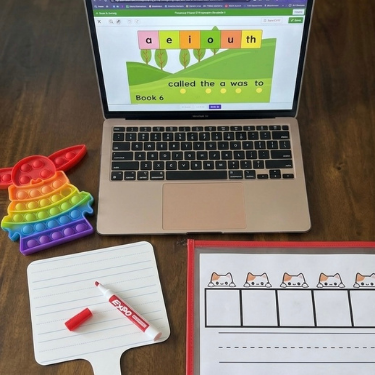
If you’ve spent any time researching reading instruction lately, you’ve probably heard the phrase “Science of Reading.” It’s everywhere — in education news, in school board meetings, in conversations between parents and teachers. But what does it actually mean? And why does it matter for your child? It’s not a program. It’s a body of
-
Why Your Child’s School Says They Don’t Qualify for Reading Services

If you’ve ever sat in a meeting with your child’s teacher or school psychologist and heard the words “they don’t quite meet the threshold” or “let’s keep monitoring and see” — you are not alone. It is one of the most frustrating experiences a parent (and teacher) can have. You can see your child struggling.
-
What to Do After Your Child Gets a Dyslexia Diagnosis

Getting a dyslexia diagnosis for your child is a moment that comes with a lot of emotions. Relief that you finally have answers. Worry about what comes next. And often — confusion about where to go from here. The evaluation report is sitting in front of you. It’s full of scores, clinical language, and recommendations.